


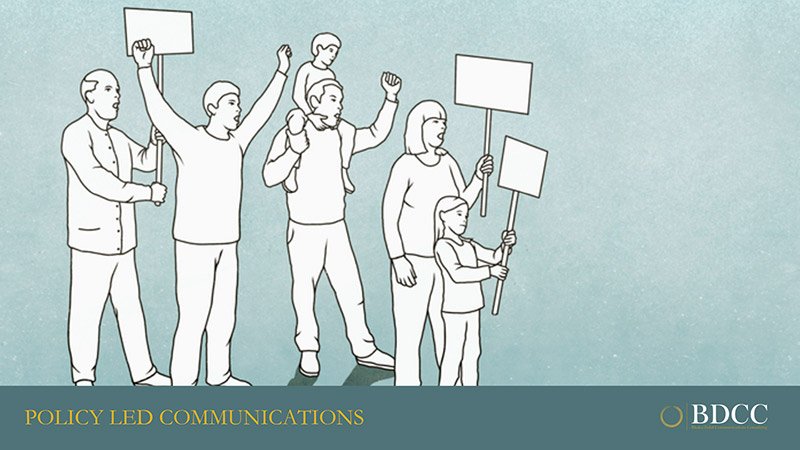
In the current global landscape, the concept of a “neutral” business decision has become an outdated luxury. For services-led organizations, professionals, and institutions, the traditional boundary between corporate strategy and geopolitical volatility has dissolved. From the supply chain boardrooms in Mumbai to the energy desks in London, routine operational choices pricing, sourcing, and expansion are now inherently political acts.
Managing reputation in this era requires more than just crisis management; it requires Corporate Diplomacy. It is about navigating a world where the “grey areas” are no longer exceptions but the new baseline for Strategic Clarity.
The Weaponization of the Routine: Tariffs and Trade
We have moved past the era of predictable trade cycles. In 2026, tariffs have evolved from mere economic levers into tools of statecraft. Recent “tariff tantrums” and the rise of Techno-nationalism have forced a fundamental rethink of supply chain resilience. For many global firms, the sudden imposition of a 10% or 20% duty is no longer a “black swan” event but a routine variable in Business Resilience planning.
The impact is material. Organizations are increasingly moving away from “just-in-time” inventory to “just-in-case” buffers, absorbing costs to preserve market share rather than passing them to consumers. This shift represents a transition from simple procurement to a sophisticated Stakeholder Engagement Strategy, where a firm’s geographic footprint is its most significant political statement.
Energy Volatility: The Strait of Hormuz and the Oil Narrative
Nothing illustrates the “New Political Reality” more starkly than the current energy landscape. With nearly 20% of global oil supplies transiting through the Strait of Hormuz, any escalation in West Asia creates an immediate ripple effect through every sector.
For net energy importers like India, the stakes are existential. Higher freight rates, rising marine insurance premiums, and the risk of “war-related perils” are now standard line items in quarterly budget reviews. In this environment, Impact Communications must bridge the gap between technical volatility and institutional storytelling. Organizations must communicate their energy transition strategies not just as “green” initiatives, but as essential pillars of National Security and long-term economic stability.
Regional Rivalries: The India-Pakistan Friction
The specific complexities of the India-Pakistan situation serve as a masterclass in navigating “the grey.” Despite a history of trade suspensions and diplomatic expulsions including the recent fallout following the 2025 crisis economic realities often force a quiet, back-channel resilience.
For businesses, navigating this bilateral tension requires a nuanced understanding of Reputation Management. Operating in such a volatile corridor demands a communication tone that is “warm but professional”—acknowledging the severity of the political landscape while maintaining the rigor of institutional commitment. It is a form of Corporate Diplomacy that allows brands to maintain their voice even when the borders they cross are under immense strain.
The Impact of Prolonged Conflict: From Ukraine to West Asia
The enduring wars in Ukraine and West Asia have permanently altered the “rules of engagement” for global institutions. We are seeing a “weaponization of the supply chain,” where access to critical minerals, neon gas for semiconductors, or sunflower oil is determined by political alignment.
Strategic advisory in this context is no longer about predicting the end of a conflict, but about building an organization that can thrive within a state of Non-linear Change. This requires Narrative Building that emphasizes a firm’s ability to navigate “Sovereign AI” conflicts and the “geopolitics of scarcity.”
Conclusion: The Architect of Resilience
In 2026, the most influential organizations are those that have moved Beyond Neutrality. They recognize that every routine business decision is a thread in a larger geopolitical tapestry. By treating communications as a strategic asset rather than a cost, they build a Reputation Moat that protects them from the sudden shifts of the political winds.
The role of leadership today is to be an architect of resilience, distilling global complexity into Strategic Clarity. In a world that is increasingly fragmented, the most credible voices are those that speak with intent, navigating the intersection of business, policy, and impact with a calm, deliberate authority.
